The Door We Leave Open for the Song
Dimly begins with a simple belief: a music video should give a song somewhere to go, while leaving room for the listener to arrive.
 Dimly team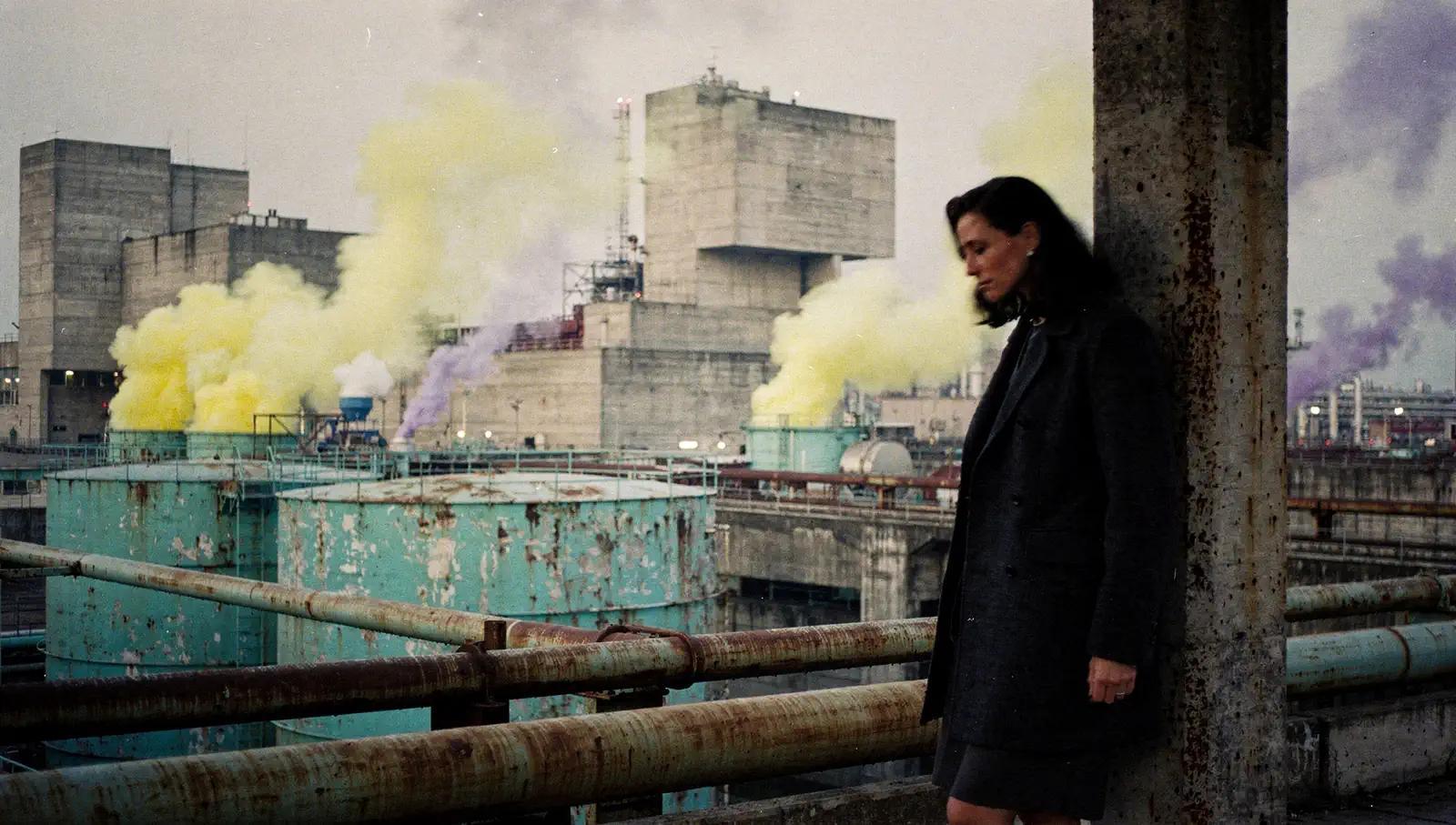
The room is quiet. A hand presses play. By the third bar, a road comes to mind. The streetlights are on. Someone has just walked out of the frame.
Dimly starts there.
Listen to the song first
The chorus begins and a shoulder drops. A foot follows the drums. A note stretches out, and a hand pauses in the air. Pictures begin in these small movements.
You bring a song you wrote, or one you have permission to use. You choose the part you keep returning to. Dimly begins arranging the scene around it: where a person enters, where the light falls, how long the camera stays after the last note. A fifteen-second Chorus Cut takes shape, with a beginning and an ending of its own.
Leave a door open
There is a chair inside an open doorway. Light from the corridor reaches its legs. The back stays in shadow. A voice comes from the next room. The camera waits at the door.
We like to leave that much distance. A face turns toward a window. Rain covers half a street. A figure stays at the edge of the frame. The listener has room to remember a room of their own, a particular rain, someone who used to sit there.
There are still decisions to make: how far the door opens, where the chair sits, which note the cut follows. They give the picture its shape and leave a place for the person listening.
The director as a second pair of ears
You say the chorus feels like a station before dawn. Dimly puts that into a treatment: an empty platform, lights still burning, wind lifting the hem of a coat. The person stands still. The camera moves closer.
You read it, move the camera farther back, let the person stand a little longer. The conversation continues. The song plays again. A feeling that began as a sentence now has a picture you can discuss.
Put the shots together
When the song reaches a farewell, the camera can stay on a table. Two cups. One has gone cold. Someone has left, and the sounds of the room carry on.
Then comes the work of choosing takes, arranging them, returning the source audio, adding captions where needed. After the cups, a window or a street? We watch each beside the other, with the song playing. This is where we spend our attention.
In the dim light
Dimly. The light is fading. The window frame is still visible; the shapes inside the room begin to soften together. In this light, we tend to listen a little longer.
A song heard on the way home brings back one memory. The same song in an empty room brings back another. We arrange the light, the people and the camera. We leave the door open.
The last note fades. The chair is still there. The light at the door has thinned.