
Kling 4.0
by Kuaishou
Thirty seconds in a single pass, with ten keyframes to steer it.
Omni Reference keeps the cast and the room consistent.
Key features
Thirty seconds, one pass
Kling 4.0 generates up to thirty seconds natively, so a long camera move or a whole beat of a scene no longer has to be stitched from short takes.
Up to ten keyframes
Pin character states and scene changes at the moments that matter, and the model fills the motion between them.
Omni Reference
Combine up to fifteen references — images, video clips, subjects and voices — in one request, so one cast and one set carry through.
Sound with the picture
Dialogue, ambience and sound effects are generated alongside the footage rather than added afterwards.
Prompts built for shot lists
Prompts run to eight thousand tokens, enough to write a timed sequence of beats instead of a single sentence.
720p and 1080p
Output is available at 720p and 1080p with a 21:9 option; Kuaishou lists 4K and HDR as rolling out.






Technical specifications
Kling 4.0
Kuaishou's video model, launched October 2026
Up to 30s
Native single-pass generation
10 keyframes
Character states and scene changes you set
15 references
Images, clips, subjects and voices via Omni Reference
720p / 1080p
4K and HDR announced as coming
21:9 to 9:16
Cinema wides through verticals
Native audio
Dialogue, ambience and effects with the picture
Flash tier
A lighter 4.0 Flash variant for quick passes
Prompt examples
Timed beats
Two seconds: a woman sets a brass key on the table. Four seconds: he slides his hand across it. Six seconds: the rain on the window stops
Edit promptNight lookout
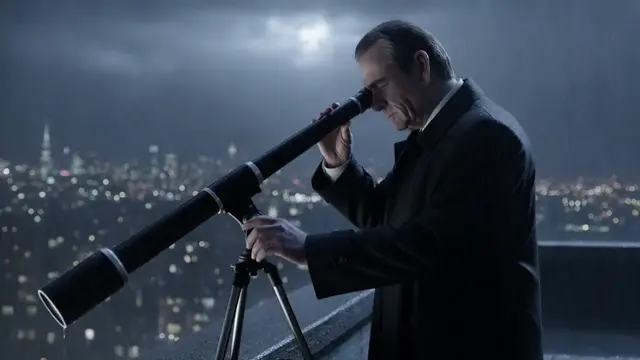
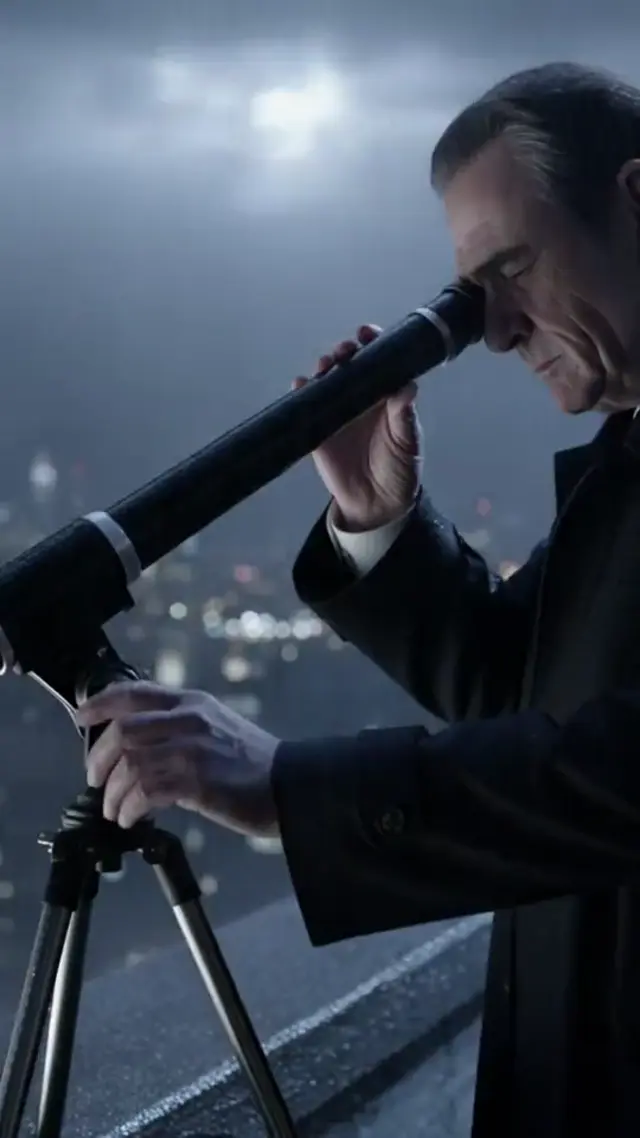
A man in a dark coat scans a rain-soaked city street through a brass telescope, headlights sweeping the wet asphalt below
Edit promptLong take
One continuous shot follows a waiter from the loud kitchen, through the swing door, into the quiet dining room
Edit promptProduct at dawn
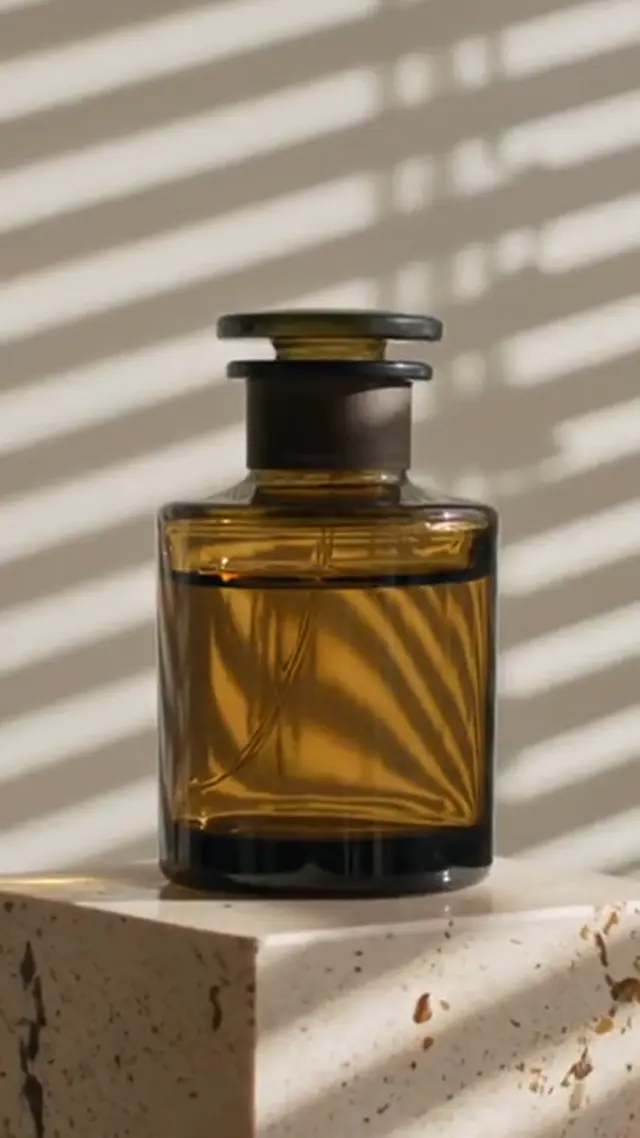
Slatted morning light crosses an amber perfume bottle on a travertine block as a petal drifts down beside it
Edit promptRoadside glow
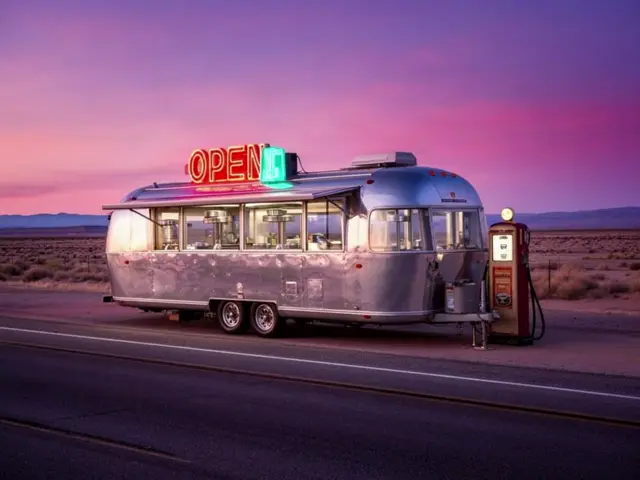
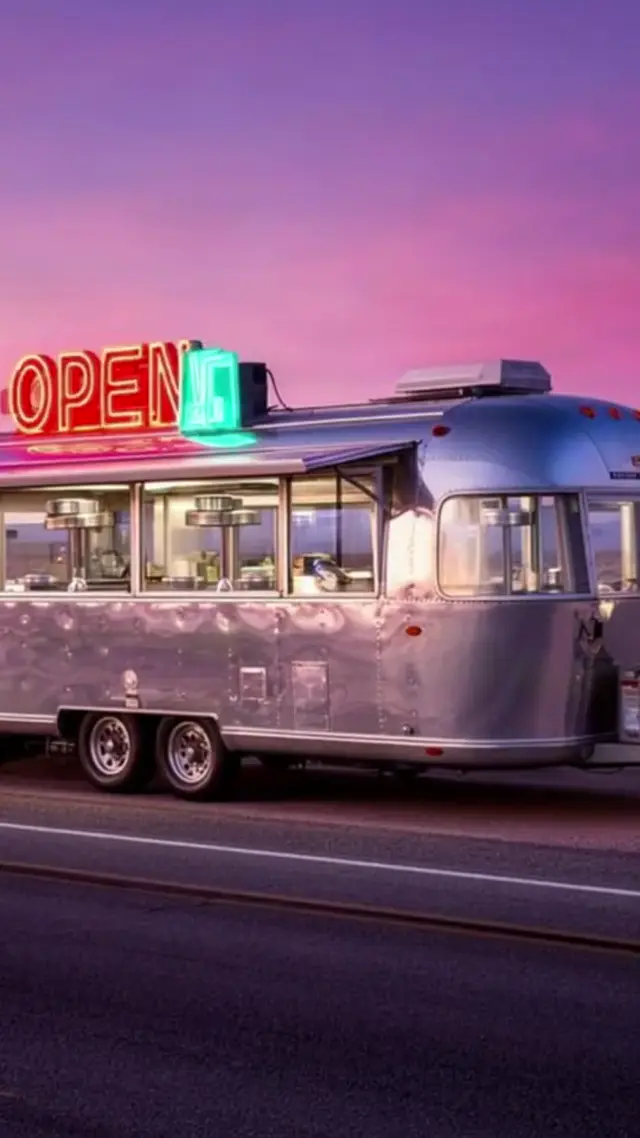
A silver trailer diner glows under a violet dusk sky as a red convertible pulls up to the pump
Edit promptWingsuit run
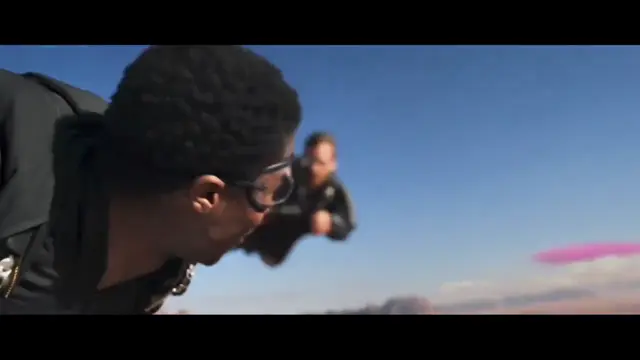
Two wingsuit flyers skim a red desert ridge, the camera flyer calling a count over the wind
Edit promptFrom a keyframe
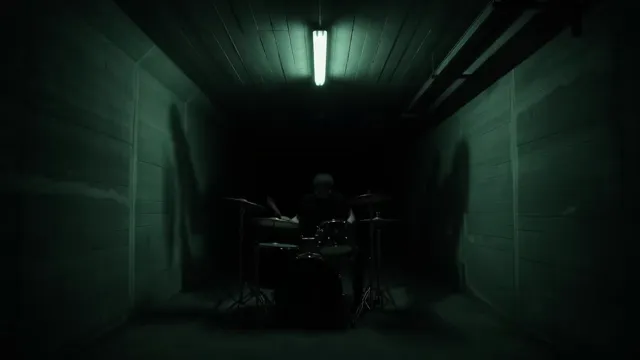
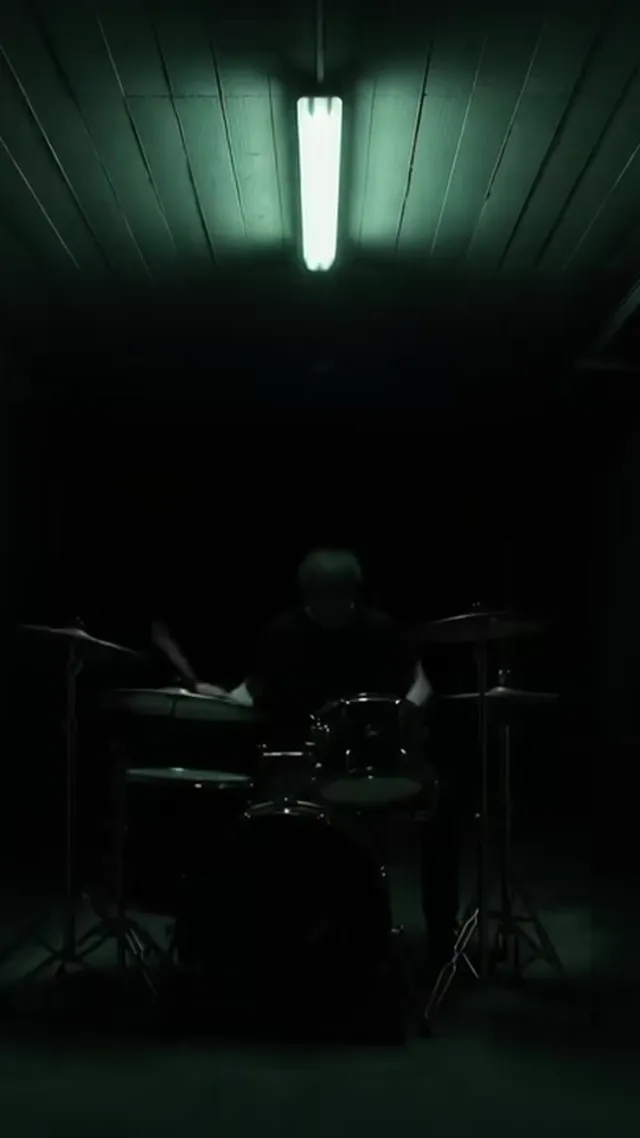
The drummer drives a slow, heavy post-rock build, sticks crashing down on the ride cymbal as the fluorescent tube flickers; the camera pushes in slowly down the green concrete corridor
Edit promptUse cases

Beat-timed sequences
Write the clip as a timed list of beats and the take follows it, which suits a verse that has to hit moments on the second.
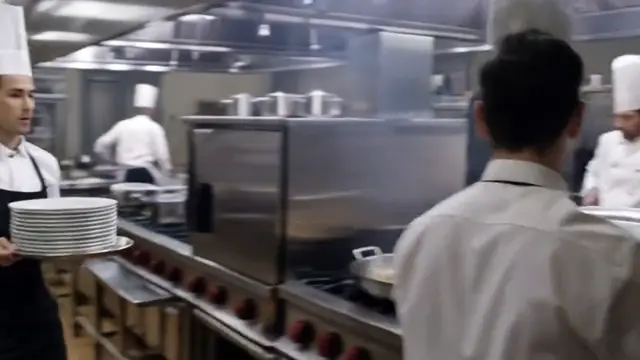
One continuous take
A moving camera that stays in one shot for the whole phrase, instead of three takes cut to look like one.
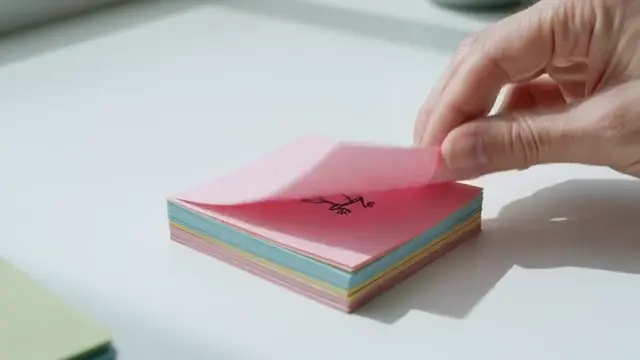
Keyframed transformations
Set the first and last state and let the model animate the change, from a flipbook drawing to a full reveal.
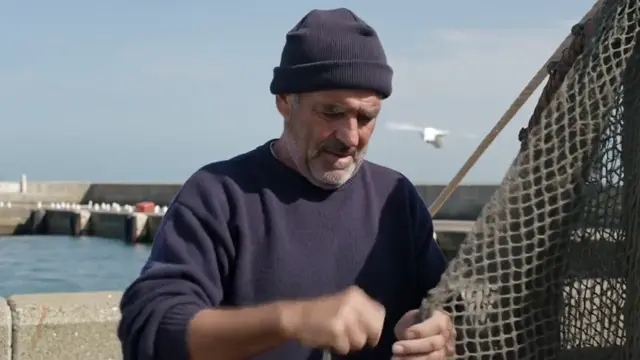
Talking to camera
Spoken lines with accent and expression come out with the shot, which helps spoken-word intros and character cameos.
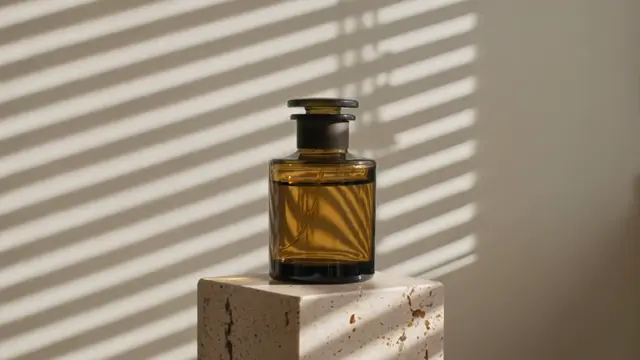
Product and still life
Slow, controlled light on a single object — packaging, a record sleeve, a bottle — with motion that stays on brief.

Action with sound effects
Explosions, engines and debris arrive with their own sound, so a spectacle shot is usable straight out of the render.
Overview
Kling 4.0 is Kuaishou's fourth-generation video model, launched in October 2026. Its headline change is length: a single generation can run up to thirty seconds, with up to ten keyframes marking where the story turns and an Omni Reference input that takes up to fifteen images, clips, subjects and voices at once. Sound is produced with the picture, and prompts can be long enough to hold a whole shot list.
What the keyframes and references change
Earlier Kling versions gave you a start frame and a prompt. Version 4.0 lets you place several anchors across the take, so a character can be in one state at the first beat and another at the last, with the model resolving the travel between them.
Omni Reference is the continuity half of that. The same references feed the whole thirty seconds, which is what keeps a face, a costume or a room from drifting by the end of a long take.
Resolution and availability
Kling 4.0 outputs 720p and 1080p, with a 21:9 option. Kuaishou has announced 4K and 10-bit HDR as coming, and wider API access is rolling out, so check Kling's own pages for the current state before planning a delivery around either. A lighter 4.0 Flash tier was opened to early subscribers ahead of the full launch.
Kling 4.0 and Dimly
Kling 4.0 is in Dimly's model picker at 720p and 1080p, for clips from three to thirty seconds. In a music video each shot starts on its keyframe, with an optional last frame, and your song is laid back over the finished film. Reference images and clips work in the studio chat; reference audio does not, because Kling takes its references as pictures, clips and named voices rather than a song.
If a shot has to be lip-synced to the track, MiniMax H3 and Seedance 2.5 take a slice of the song as a reference and Kling 4.0 does not. If it is a long take that has to land on an exact frame, Kling 4.0 and Seedance 2.5 both fit.
Simple pricing
Plan your video for free, then pick a plan that fits your release schedule.
Weekly Pass
One focused week: a chorus cut or two, on any model.
- 150 credits, valid for 7 days
- ≈ 2 chorus cuts (15 s)
- Every model and resolution · 2 renders at once
Starter
A steady month of chorus cuts, or one shorter song.
- 600 credits, valid for 30 days
- ≈ 8 chorus cuts (15 s)
- or one song up to 2:20
- Every model and resolution · 3 renders at once
Pro
A full song a month with room to retake, and more credits when a release needs them.
Credits a month
- 1,000 credits, valid for 30 days
- ≈ 14 chorus cuts (15 s)
- or 1 full 3-min song
- Every model and resolution · 4 renders at once
Creator
Several full songs a month, for a steady release schedule.
- 5,000 credits, valid for 30 days
- ≈ 72 chorus cuts (15 s)
- or ≈ 6 full 3-min songs
- Every model and resolution · 8 renders at once
Full song, chorus cut, lyric video or visualizer · Watermark-free exports on every plan · Export rights depend on your source permissions and provider terms
Credit packs
Pay once, no subscription. Made for one AI effect or one song; if you will make more, a plan above is the better rate.
Single
One AI effect video, like Hotel Lobby or AI Rap Duo.
- 250 credits, valid for 1 year
- 1 AI effect video (Hotel Lobby, AI Rap Duo)
- or ≈ 3 chorus cuts (15 s)
- Exports carry the Dimly watermark
- No subscription, never renews
Song
One full 3-minute music video, or three AI effects.
- 800 credits, valid for 1 year
- 3 AI effect videos (Hotel Lobby, AI Rap Duo)
- or 1 full 3-min song
- Watermark-free exports
- No subscription, never renews
Studio
A 3-minute music video in 2K with room for retakes, or two songs.
- 1,600 credits, valid for 1 year
- 6 AI effect videos (Hotel Lobby, AI Rap Duo)
- or ≈ 2 full 3-min songs
- Watermark-free exports
- No subscription, never renews
Estimates use MiniMax H3 at 768P with 5-second shots (a 15-second chorus cut counts as three), a keyframe per shot, two reference sheets and no retakes; higher resolutions and the other models cost more per video. You see the exact quote before anything renders, and failed renders are refunded.
FAQs
Kuaishou's fourth-generation video generation model, launched in October 2026. It generates up to thirty seconds in a single pass, supports up to ten keyframes and an Omni Reference input of up to fifteen images, clips, subjects and voices, and produces sound with the picture.
Yes. Pick Kling 4.0 in the studio's model picker, at 720p or 1080p for three to thirty seconds. A 5-second 720p clip costs 50 credits, and the studio quotes every render before it runs. It does not take a song as a reference, so lip-synced shots stay on MiniMax H3 or Seedance 2.5.
Up to thirty seconds natively in one generation, compared with the short takes of earlier Kling versions. Video-to-video editing runs three to thirty seconds.
Up to ten moments in the take where you fix the character state or scene — the model animates the motion between them. It is the long-clip counterpart to first-and-last-frame control.
720p and 1080p, with a 21:9 option. Kuaishou lists 4K and 10-bit HDR as coming soon, so confirm the current state with Kling before relying on them.
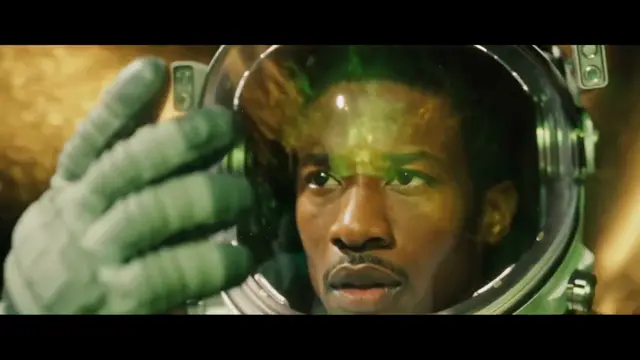
The drummer in the green corridor is a Dimly render: Kling 4.0 at 720p, three seconds, animated from one of our own keyframes with its sound as generated. The rest are excerpts of Kling 4.0 renders published by fal and Morphic for the launch, shown as examples of the model rather than as Dimly renders.